
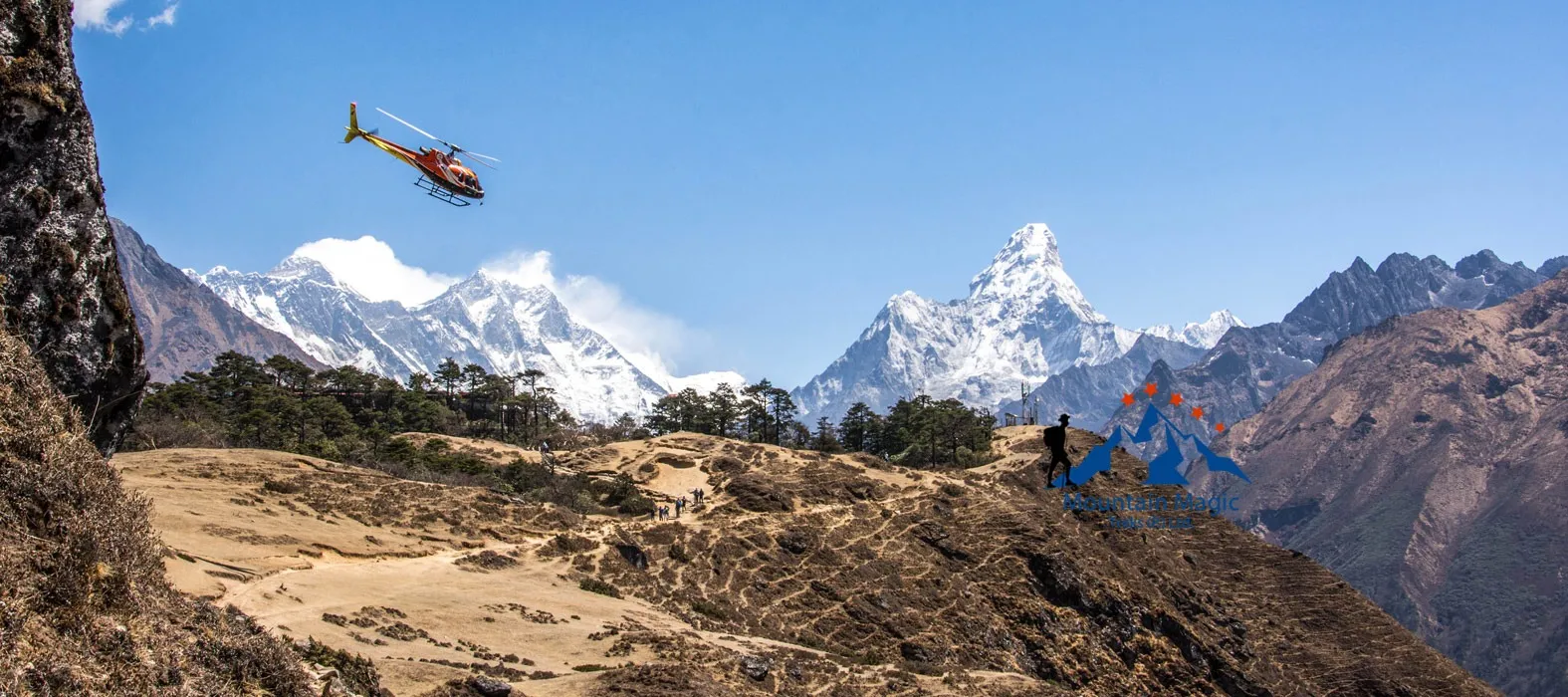
Walking through the Everest region requires more than physical preparation. Travelers also need to understand how daylight affects the timing of each trekking day. Mountain paths can look very different in bright sunlight, cloudy weather, and low-light conditions. Starting at the right time helps trekkers complete planned sections while there is enough natural light.
The Everest Base Camp Trek with Helicopter Return follows a route through villages, valleys, rocky trails, and high-altitude settlements. Some walking days begin early, while the time needed to reach the next overnight stop depends on trail conditions and the group’s pace. Understanding daylight can help travelers follow the guide’s schedule and avoid unnecessary delays.
Why Daylight Matters on a Mountain Trek
Mountain terrain is not always easy to navigate. Some sections include uneven stones, narrow paths, steep climbs, and exposed areas. Good visibility helps trekkers recognize changes in the trail surface and follow the correct route.
Daylight also makes it easier for guides to monitor the group and manage scheduled breaks.
Factors That Affect Available Walking Light
Several conditions influence how much useful daylight is available:
- The season of travel.
- Sunrise and sunset times.
- Cloud cover and local weather.
- Mountain slopes that block direct sunlight.
- The direction of the trail.
- The planned starting and finishing points.
A trail may remain visible after sunset, but that does not make late walking a good plan. Groups should aim to reach their overnight accommodation according to the guide’s schedule.
Early Starts Help Keep the Itinerary Organized
Trekking days often begin in the morning after breakfast. An early departure gives the group more time to complete the planned route, take necessary breaks, and respond to unexpected conditions.
However, starting earlier does not mean rushing. The guide should set a suitable departure time based on the day’s route, weather, and group condition.
Prepare the Night Before
A few simple tasks can prevent morning delays:
- Confirm the departure time with the guide.
- Keep essential clothing within easy reach.
- Prepare your daypack.
- Charge electronic devices where facilities are available.
- Organize water and personal supplies.
- Finish breakfast according to the agreed schedule.
Being ready on time helps the entire group begin together.
Understand the Changing Light Along the Khumbu Route
The route from Lukla toward Everest Base Camp passes through different landscapes. Valleys, forested sections, open mountain areas, and high settlements can receive sunlight at different times.
For example, some parts of the trail near Phakding and Namche Bazaar pass through valley terrain. Higher sections beyond Dingboche become more exposed, with fewer trees and wider mountain views.
Why Direct Sunlight Is Not the Same as Trail Visibility
A mountain slope may remain shaded even after sunrise. Similarly, clouds can reduce visibility during the middle of the day.
Trekkers should follow the guide’s instructions rather than judging trail conditions only by the amount of sunlight.
The Dingboche to Lobuche Section Requires Careful Timing
The route from Dingboche toward Lobuche includes the Dughla area and the memorials near Thukla Pass. It is a demanding section because the trail gains elevation and the terrain becomes more exposed.
A suitable departure time allows the group to move at a controlled pace and reach Lobuche according to the day’s plan.
Avoid Unnecessary Stops That Delay the Group
Taking photographs and resting are normal parts of trekking. However, long unplanned stops can affect the group’s arrival time.
Travelers should listen to the guide when deciding how long to remain at a viewpoint or rest area. This is especially important when the group still has a significant distance to cover.
The Gorakshep Area Has Different Light Conditions
Gorakshep sits at a high elevation and serves as an important overnight stop before the planned visits to Everest Base Camp and Kala Patthar.
The surrounding terrain is open and rocky. Weather can change, and visibility may become limited by clouds, wind, or snowfall.
Follow the Guide’s Advice for High-Altitude Walks
The timing of the walk toward Everest Base Camp or Kala Patthar should be based on current conditions and the group’s health.
Do not leave the accommodation independently in darkness or attempt to change the planned schedule without informing the guide.
A headlamp can be useful when a departure takes place before sunrise, but it does not replace proper guidance or suitable weather conditions.
Carry Lighting Equipment as a Backup
A compact headlamp is a useful personal item for mountain travel. It can help when preparing before sunrise, moving around accommodation after dark, or dealing with an unexpected delay.
A headlamp is generally more practical than holding a flashlight because it leaves both hands free.
Check Your Equipment Before Departure
Before leaving Kathmandu, check that:
- Your headlamp works correctly.
- Batteries are fully charged or fresh.
- You know how to operate its settings.
- The light is easy to access in your daypack.
- Spare batteries are stored safely if required.
Avoid waiting until the first dark morning to test your equipment.
Protect Your Eyes During Bright Mountain Conditions
Strong sunlight can make walking uncomfortable, particularly when light reflects from snow, pale rocks, or other bright surfaces.
Sunglasses with suitable UV protection can help reduce glare and protect the eyes during exposed sections.
Keep Sun Protection Within Reach
Store sunglasses somewhere accessible rather than at the bottom of your luggage. A protective case can also help prevent scratches.
Cloudy conditions do not automatically remove the need for eye protection. UV exposure can still be significant at high elevations.
Do Not Let Photography Disrupt the Schedule
The Everest region offers many places where travelers may want to stop for photographs. However, taking pictures should not interfere with safe movement or the group’s timing.
Stay in safe areas when using a camera. Avoid stepping away from the trail to reach an exposed viewpoint without checking with the guide.
During the Everest Base Camp Trek with Helicopter Return, some sections have limited space for groups to stop. Follow the guide’s instructions about where to take breaks and allow other trekkers to pass safely.
Helicopter Departure Timing Also Depends on Conditions
The return flight from the Gorakshep area is different from an ordinary city airport departure. Helicopter operations depend on weather, visibility, aircraft availability, and other operational factors.
A planned flight time should not be treated as an absolute guarantee.
Stay Ready for Schedule Changes
Before the helicopter departure:
- Follow the guide’s instructions.
- Keep personal belongings prepared.
- Stay within the designated waiting area.
- Listen for updates about flight arrangements.
- Avoid making separate travel plans based on an unconfirmed departure time.
The Everest Base Camp Trek with Helicopter Return includes planned helicopter transportation from the mountain region to Kathmandu, but actual operations remain subject to suitable conditions.
Final Thoughts
Daylight plays an important role in mountain travel. It affects departure planning, trail visibility, rest stops, and the timing of important sections along the route. Preparing lighting equipment and following the guide’s schedule can help trekkers manage these conditions more effectively.
During the Everest Base Camp Trek with Helicopter Return, travelers should respect early departure times, avoid unnecessary delays, and stay flexible when weather changes affect visibility. A well-managed schedule helps the group travel more safely and keeps the planned itinerary organized.
Frequently Asked Questions
1. Do trekking days begin early in the Everest region?
Many trekking days begin in the morning. The exact departure time depends on the route, weather, and guide’s plan.
2. Should I carry a headlamp?
Yes. A compact headlamp is useful for early starts, low-light conditions, and moving around accommodation after dark.
3. Can clouds affect visibility during the trek?
Yes. Clouds, snowfall, and changing weather can reduce visibility, even during daylight hours.
4. Is the helicopter return time guaranteed?
No. Helicopter operations depend on weather, visibility, and operational conditions.
5. Are sunglasses useful at high altitude?
Yes. Sunglasses with suitable UV protection help reduce glare and protect your eyes during exposed mountain sections.