
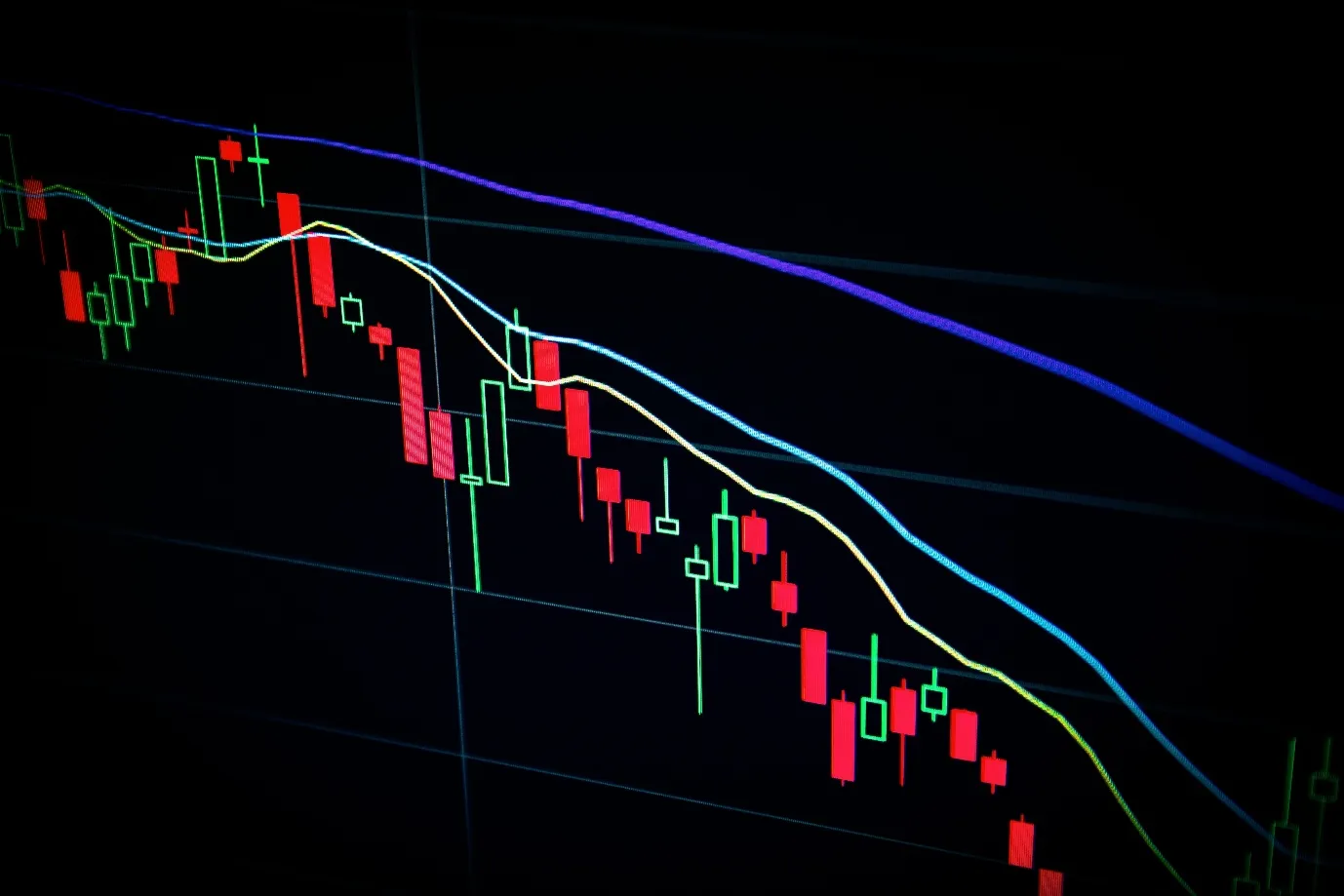
A stock market rally can hide an important detail: not every industry participates equally. While technology companies may attract strong investor interest during one period, financial institutions or energy businesses could lead the market several months later. Anyone interested in stock trading should understand these changing patterns before assuming that yesterday’s strongest performing industry will continue delivering favorable results.
This movement of investor attention between industries is commonly called sector rotation. It reflects changing expectations about economic growth, borrowing costs, corporate earnings, and financial risk. Understanding the concept can help traders interpret broader market developments without relying on temporary popularity or speculative predictions.
Understand How Sector Rotation Develops
Stock market sectors represent groups of businesses with similar economic activities. Technology, healthcare, energy, utilities, and financial services are examples. Each sector responds differently to economic conditions because its companies face distinct operating costs, customer demands, and financial obligations.
An economic calendar can help traders identify scheduled announcements that may influence sector expectations. Interest rate decisions, employment releases, and inflation reports can change how investors evaluate different industries. However, these announcements do not guarantee that particular sectors will rise or fall.
Examine Changing Economic Growth Expectations
Economic growth influences how businesses generate revenue and manage expenses. During periods of improving economic expectations, investors may show greater interest in companies whose performance depends heavily on consumer spending or business investment.
However, stronger economic activity does not benefit every company equally. Rising wages, supply shortages, and increasing borrowing costs may offset revenue improvements. Traders should examine industry-specific conditions instead of assuming that a growing economy automatically supports all stock prices.
Recognize Interest Rate Sensitivity Differences
Interest rates affect companies through financing costs, investment decisions, and changes in expected future earnings. Businesses relying heavily on borrowed capital may face additional expenses when financing conditions become less favorable.
Growth-oriented companies can also experience valuation changes when investors adjust the discount rates applied to expected future profits. Nevertheless, these relationships depend on existing expectations. A rate announcement may produce a surprising market reaction if investors had already anticipated the decision.
Compare Defensive And Cyclical Industries
Cyclical industries often experience substantial changes in demand as economic conditions improve or weaken. Automotive manufacturers, travel businesses, and certain retailers may be affected by changes in household confidence and discretionary spending.
Defensive industries typically provide products or services that consumers continue using during economic uncertainty. Utilities and essential healthcare services are common examples. However, defensive businesses can still experience declining share prices, and their historical characteristics do not guarantee protection during market downturns.
Look Beyond Headline Index Performance
Major stock indices can rise even when most underlying companies experience limited gains. Heavily weighted businesses may contribute disproportionately to benchmark performance, creating the impression of widespread market strength.
Examining sector participation provides additional context. Traders can compare industry performance and observe whether gains are concentrated among a few companies. Broad participation may indicate different market conditions from an advance driven by a small selection of highly valued businesses.
Understand Why Leadership Can Reverse
A sector attracting substantial investment may eventually become less appealing when valuations rise or economic expectations change. Investors may reassess whether future earnings can justify existing share prices.
These changes do not follow a predictable schedule. Sector leadership can shift gradually or reverse following unexpected developments. Traders should avoid treating recent performance rankings as reliable forecasts, particularly when using leveraged instruments that magnify adverse movements.
Build A Sector Research Framework
A practical research approach can involve monitoring several sectors and identifying the economic developments most relevant to their businesses. Company earnings, consumer demand, borrowing conditions, and regulatory changes may all influence expectations.
Traders can record their observations and compare them with subsequent market movements. Reviewing several periods helps reveal changing relationships. However, research should not become an attempt to identify a perfect rotation sequence because financial markets rarely follow fixed economic patterns.
Apply Risk Awareness To Sector Decisions
Concentrating several positions within one industry can create substantial exposure to shared risks. Even when different companies appear financially strong, unexpected developments may affect their entire sector simultaneously.
Stock CFDs introduce additional considerations because leverage can increase losses relative to committed margin. Traders should review contract specifications, financing expenses, and available equity before considering positions. Diversifying across industries may reduce certain concentrations but cannot eliminate market risk.
Conclusion
Sector rotation highlights how investor expectations and economic conditions influence different industries over time. Understanding interest rate sensitivity, business cycles, and changing market leadership can provide useful context for stock market research. Educational resources and trading information available through tradewill.com may support further exploration of financial markets. Nevertheless, sector analysis cannot guarantee profitable outcomes or identify future winners with certainty. Independent research, appropriate exposure limits, and realistic expectations remain essential when evaluating changing stock market conditions.